COMPREHENSIVE REPORT ON THE PPUGI MEN’S MENTAL HEALTH CONFERENCE AND AWARDS CEREMONY1. EXECUTIVE SUMMARYPeace Progress and Unity Global Initiative (PPUGI) successfully organized its 2026PPUGI Men’s Mental Health Conference and Awards Ceremony on Tuesday 15thSeptember, 2026 at The FCT Exhibition Pavilion, Herbert Macaulay Way, Opposite Radio House, beside the International Conference Centre, Central Business District, Garki, Abuja.
The event brought together distinguished personalities, government representatives, mental health professionals, community leaders, security stakeholders, members of the organization, invitedguests, partners, and other stakeholders from different sectors of society.The conference was organized to create greater awareness about men’s mental health and to provide a platform for open, informed, and constructive conversations about the emotional, psychological, social, and mental wellbeing of men especially our security personnel.The conference addressed the importance of encouraging men to recognize their mental and emotional needs, seek appropriate support when necessary, build healthy support systems, and participate in conversations that promote wellbeing and resilience.
A central objective of the conference was to challenge the silence and stigma that can prevent men from discussing emotional difficulties or seeking help. The event emphasized that mental wellbeing is an important component of overall health and that creating supportive environments can help individuals and communities respond more effectively to mental health challenges.The conference featured keynote presentations, expert discussions, interactive sessions, stakeholder engagement, networking, and an Awards Ceremony.
The Awards Ceremony provided an opportunity to recognize distinguished individuals and organizations for their contributions to mental health awareness, humanitarian service, leadership, community development, professional excellence, security, advocacy, and other areas of service.The successful conclusion of the conference was made possible through the collective efforts of the organizing committee, speakers, partners, security personnel, media, organizations, volunteers, award recipients, invited dignitaries, and participants, 412 participants were accredited for the conference.
2. BACKGROUNDMen play important roles within families, communities, workplaces, institutions, and society. However, conversations surrounding men’s emotional and mental wellbeing have not always received sufficient attention.Social expectations surrounding masculinity, responsibility, financial pressures, family responsibilities, professional demands, relationship challenges, grief, isolation, unemployment, security concerns, and other life pressures can affect men’s wellbeing.The conference was therefore conceived as a platform for bringing these issues into constructive public discussion.The organizers recognized the importance of creating an environment where men can participate in conversations about wellbeing without fear of judgment and where professionals, institutions, families, and communities can explore ways of providing appropriate support.The conference also recognized that improving men’s mental health requires collaboration among individuals, families, health professionals, employers, community organizations, government institutions, security agencies, faith-based organizations, civil society groups, and other stakeholders.
3. PURPOSE OF THE CONFERENCE/OBJECTIVE OF THE CONFERENCE The primary purpose of the conference was to promote awareness, dialogue, education, advocacy, and stakeholder engagement around men’s mental health and wellbeing.The conference sought to encourage a broader understanding of the factors that may affect men’s mental and emotional wellbeing and to promote constructive approaches to prevention, early support, resilience, and access to appropriate professional assistance.The major objectives of the conference included:
2. To encourage open and responsible conversations about men’s emotional and psychological wellbeing.
3. To reduce stigma surrounding mental health discussions and help-seeking.
4. To promote early recognition of mental health concerns and appropriate support.
5. To educate participants about healthy coping mechanisms and support systems.
6. To encourage families and communities to provide supportive environments for men.
7. To increase awareness of men’s mental health and wellbeing.
To promote collaboration between mental health professionals and other stakeholders.
8. To examine social, economic, professional, family, and community factors that may affect men’s wellbeing.
9. To encourage organizations and institutions to consider men’s mental wellbeing within their programmes and policies.
10.To recognize individuals and organizations making meaningful contributions to society and community wellbeing.
11.To establish relationships that can support future mental health awareness initiatives.
12.To promote a culture in which seeking appropriate help is treated as a responsible step toward wellbeing rather than a weakness.
4. CONFERENCE THEME: The conference was held under the theme:Providing Direction and Support 5.0: Breaking the Silence – Mental Health Support for Our Men (Security Personnel)The theme provided the foundation for the presentations, discussions, and stakeholder engagement throughout the programme.
The discussions emphasized the importance of looking at men’s mental health from a holistic perspective, recognizing that wellbeing can be influenced by personal circumstances, family relationships, social expectations, employment, financial pressures, physical health, community environment, and access to support.5. OPENING CEREMONYThe programme commenced with the arrival and reception of invited guests and dignitaries.
The opening session featured [prayer/anthem/welcome remarks/introduction of dignitaries], followed by the formal commencement of the conference.In the opening remarks, the Convener/Founder and Global President of Peace, Progress andUnity Global Initiative (PPUGI), Her Eminence, Amb. Dr. Prevail Farida Ahmed, welcomed participants and explained the significance of dedicating a conference to men’s mental health.The Convener/Founder and Global President emphasized the need to create more opportunities for men to engage in constructive conversations about their wellbeing and to ensure that appropriate professional and community support is accessible to those who need it.
6. WELCOME ADDRESS: The welcome address was delivered by the Convener/Founder and Global President ofPeace, Progress and Unity Global Initiative (PPUGI), Her Eminence, Amb. Dr. Prevail FaridaAhmed,She expressed appreciation to all dignitaries, speakers, professionals, participants, sponsors, partners, and members of the organizing committee.The address highlighted the importance of the conference and encouraged participants to approach discussions about mental health with openness, compassion, responsibility, and respect.She further emphasized that the objective was not simply to hold a one-day event but to stimulate conversations and partnerships that could continue beyond the conference.
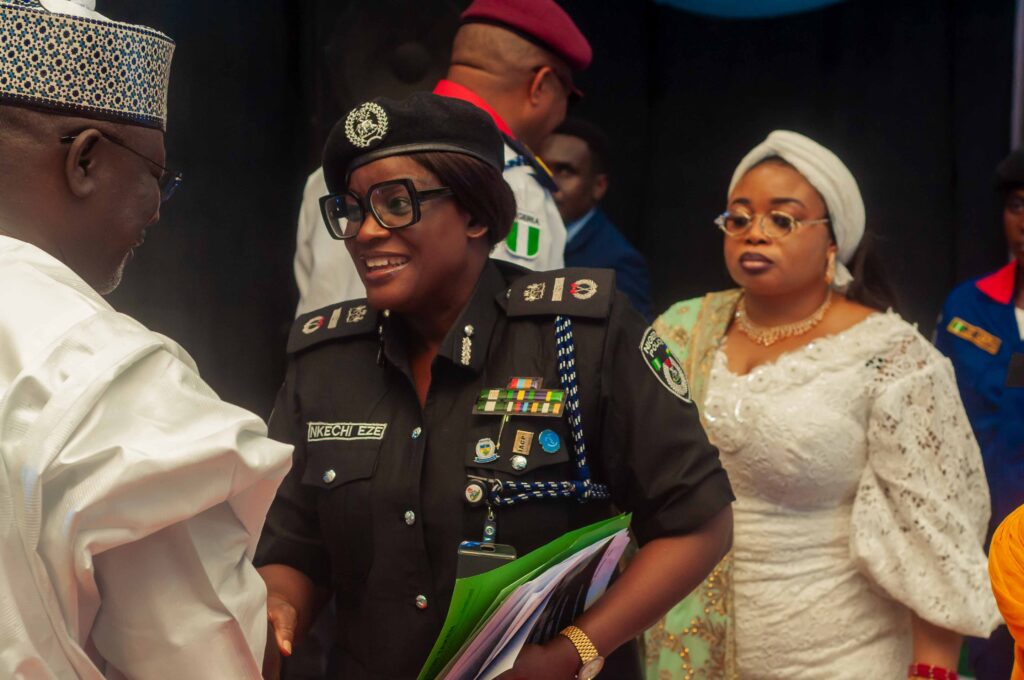
7. KEYNOTE ADDRESSThe keynote address was delivered by Inspector General of Police, IGP Olatuniji Rilwan Disu was was ably represented by the Assistance Inspector General of Police, Dr. Nkechi Eze.The keynote presentation examined important dimensions of men’s mental health and emphasized the importance of awareness, support, healthy relationships, resilience, and appropriate professional care.The speaker encouraged participants to recognize that mental wellbeing is an important component of overall wellbeing and that people experiencing significant difficulties should be encouraged to seek appropriate assistance.The keynote address also emphasized the importance of families, workplaces, communities, healthcare professionals, and institutions in creating supportive environments.The keynote address addressed areas including:
Men’s emotional wellbeing;
Mental health awareness;
Stress and coping;
Family and relationship wellbeing;
Workplace pressures;
Social expectations and masculinity;
Resilience and personal development;
Importance of social support;
Professional mental health services;
Community support systems;Mental health advocacy;
Leadership and wellbeing; and
The importance of early support and appropriate intervention.
Participants were encouraged to approach mental health as an important aspect of overall wellbeing rather than an issue that should only be discussed during periods of crisis.
8. PANEL DISCUSSION: A major component of the conference was the panel discussion involving invited professionals and stakeholders.The panel provided an opportunity for participants to hear different perspectives and engage directly with experts.Key issues discussed included:
8.1 Breaking the SilenceParticipants discussed the importance of creating safe and respectful environments where men can talk about challenges affecting their wellbeing.
8.2 Stigma and Help-SeekingThe panel examined how stigma and misconceptions can discourage people from seeking appropriate support.
8.3 Family SupportThe importance of healthy family relationships and supportive communication was highlighted.
8.4 Workplace WellbeingThe panel discussed the importance of healthy working environments and the need for organizations to consider employee wellbeing.
8.5 Social and Economic PressuresParticipants considered the ways in which financial responsibilities, employment challenges, social expectations, and other pressures may affect men’s wellbeing.
8.6 Professional SupportThe panel emphasized the importance of qualified mental health professionals andappropriate services for individuals who require specialized assistance.
9. PARTICIPANT ENGAGEMENTThe conference provided opportunities for participants to ask questions, share experiences, make observations, and interact with speakers.The interactive sessions demonstrated strong interest in the subject of men’s mental Health.
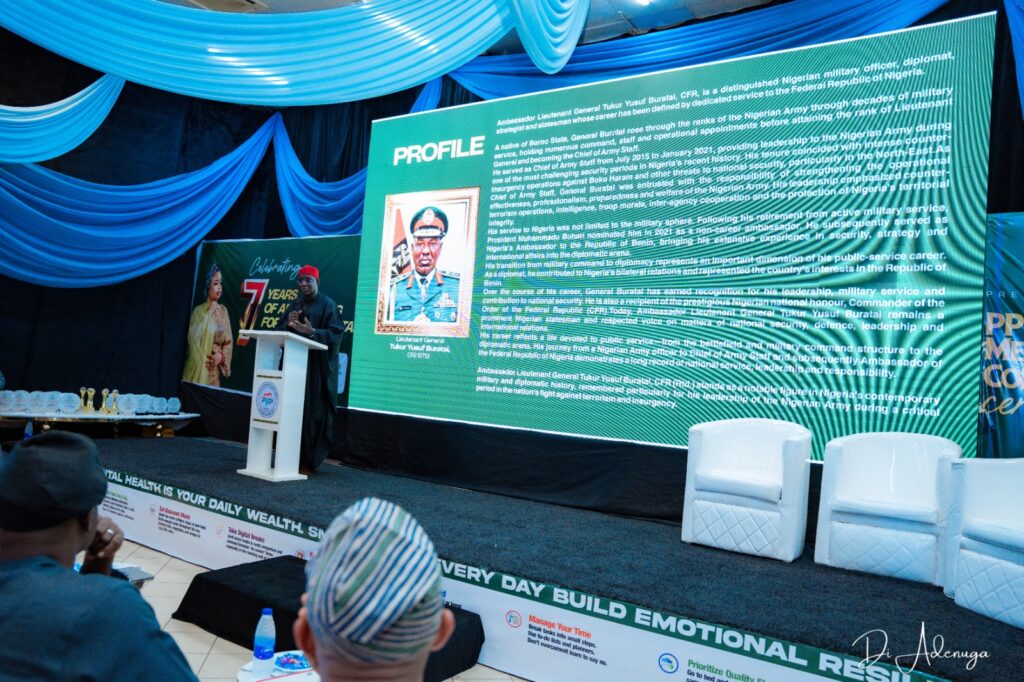
Participants were encouraged to continue conversations within their families, workplaces, professional associations, communities, and social networks.10. SECURITY AND MENTAL HEALTHAn important dimension of the conference was the participation of security stakeholders.The organizers recognized that personnel working in demanding security environments may face significant occupational pressures and therefore benefit from appropriate attention to mental wellbeing.Discussions around security and mental health emphasized the importance of resilience, appropriate support systems, professional assistance where needed, and institutional approaches to wellbeing.The participation of security stakeholders also provided an opportunity to broaden the conversation about mental health beyond conventional healthcare settings.11. WORD OF ENCOURAMENT/REMARKA word of encourage/remark was delivered by Amb. Lt. General Tukur Yusuf Buratai (Rtd.) the former Chief of Army Staff, who left participants and serving security personnel with simple, but deep and important message:11.1 YOUR MENTAL HEALTH MATTERSWe often celebrate physical strength, courage, and professional performance, but mental wellbeing is equally important.The pressures associated with military life can be demanding. Deployment, operational responsibilities, separation from family, exposure to difficult experiences, long periods of stress, loss of colleagues, transition from service, and the responsibility of protecting others can all affect a person’s wellbeing. If you find yourself struggling, do not interpret the struggle as failure. Recognizing that you need support can be an act of courage and responsibility.
11.2 YOU DO NOT HAVE TO SUFFER IN SILENCESometimes men are taught from an early age to hide their emotions and simply “be strong.
“ But silence does not always make a burden disappear.
If something is troubling you, find someone you trust and talk.
It may be a colleague, commanding officer, chaplain, family member, trusted friend, counselor, psychologist, doctor, or another qualified professional.
You don’t have to tell everyone everything. But you should not feel that you have to tell nobody.
Speaking about what you are experiencing can be the first step toward getting appropriate
11.3 LOOK OUT FOR YOUR BROTHER
Military service creates a powerful sense of brotherhood.
Let us extend that brotherhood beyond the field of duty.
Look out for the person beside you.If a colleague becomes unusually withdrawn, persistently distressed, overwhelmed, or begins behaving in ways that concern you, don’t simply walk away. Ask: “Brother, are you okay?”Sometimes that simple question can open the door to a conversation that someone desperately needs
Listen without ridicule.
Listen without unnecessary judgment.
Encourage appropriate support when needed.And remember: supporting someone does not mean that you must become their therapist. Sometimes your most important role is simply to notice, listen, and help connect them with appropriate professional support.
11.4 SEEK HELP EARLYThere is no prize for waiting until a problem becomes unbearable.If you notice that stress, sadness, fear, anger, sleep difficulties, substance use, relationship problems, or other concerns are interfering with your daily life, consider speaking with an appropriate healthcare or mental health professional. Early support is a sign of responsibility—not weakness.Just as a soldier does not ignore a physical injury that requires medical attention, mental and emotional difficulties deserve appropriate attention too.
11.5 YOUR FAMILY NEEDS YOU—AND YOU MATTER TOOMany men carry heavy responsibilities because they want to provide for and protect their families.But remember this: You are valuable not only because of what you provide. You are valuable because you are a human being. Your family does not need you to be perfect. They need you to be present, connected, and well enough to share life with them.Taking care of your mental health is therefore not selfish. It can also be an important part of caring for the people who depend on you.
12. PARTICIPATION OF DISTINGUISHED DIGNITARIESThe conference was honored by the presence of distinguished personalities and representatives from various sectors.These included:
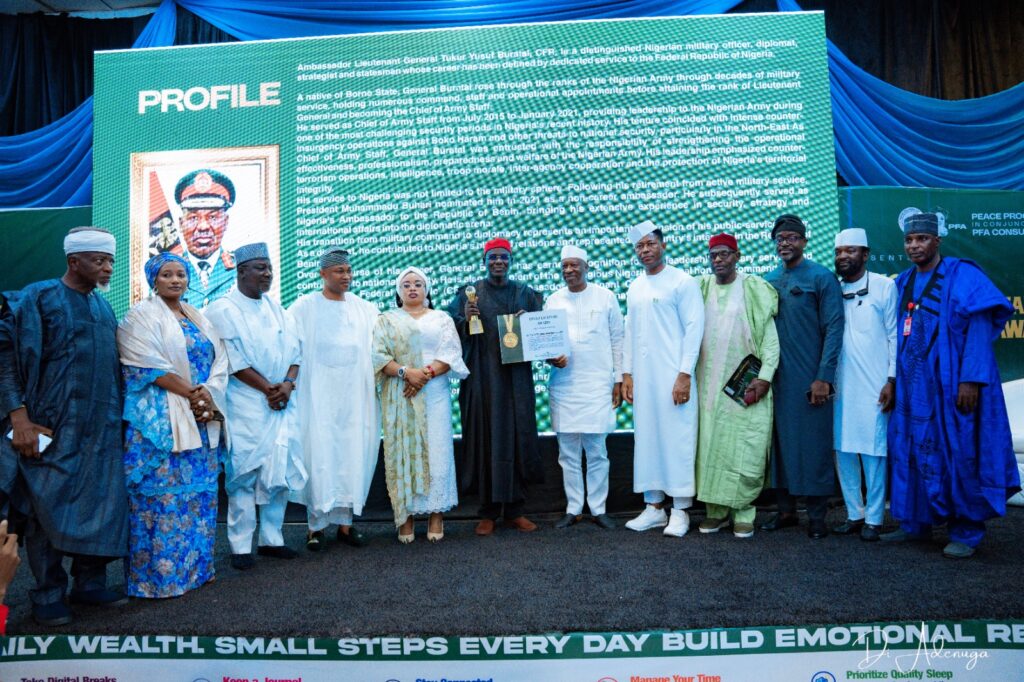
1. Amb. Lt. General Tukur Yusuf Buratai (Rtd.), Former Chief of Army Staff
2. Dr. Nkechi Eze, Assistance Inspector General of Police
3. Dr. Emeka Okeke, Deputy Commandant of Corps (DCC) and the Head of Department (HOD) of Health and Medical Services at the Nigeria Security and Civil Defense Corps (NSCDC) National Headquarters.
4. Engr. Tein T S Jack Rich (CON), The Founder Balema Oil Producing Limited
5. HRH, Alh. Abubakar Bako, Hakimin Duste Alhaji
6. HRM Alayeluwa Oba Adewale Abdul, Olofin Ajaye, Orugbo Iddo Olusi II, Lagos State.
7. Samuel Obafemi George, CEO Barachel Reality Limited
8. Hon. Lanre Okunola, Member House of Representative, Representing Surulere II Federal Constituency of Lagos State.
9. Hon. Dr. Akeem Dosunmu, Medical Doctor, Canada
10.Prince Godswill Edward, Founder Prince 7 Youth Development Initiative (P7DI)Their presence demonstrated the importance attached to the conference and contributed significantly to the success and visibility of the event.
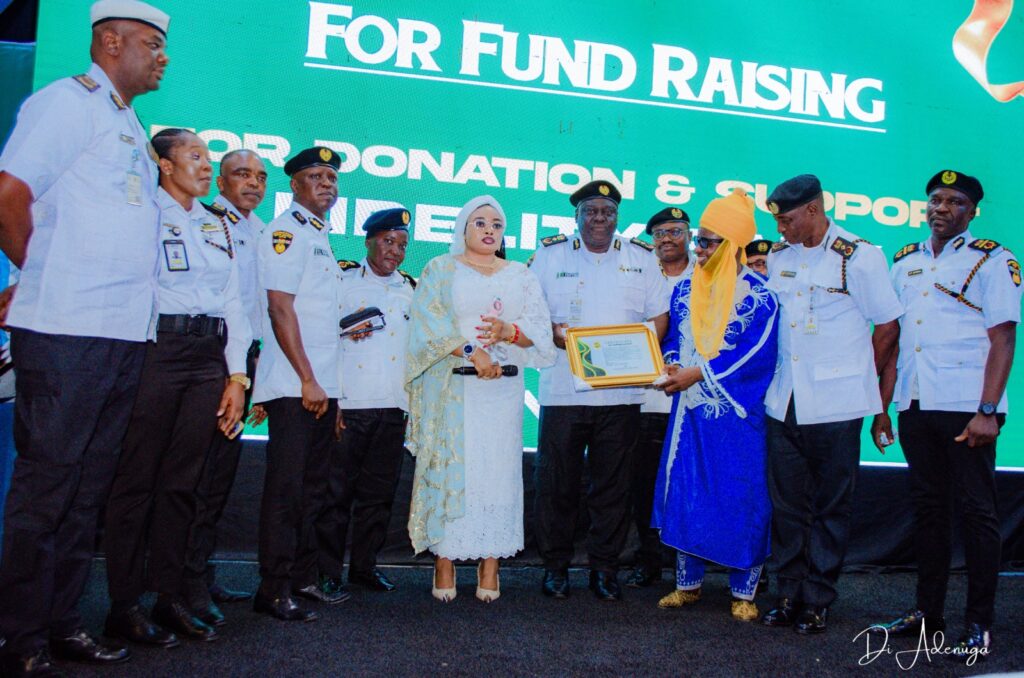
SECURITY AND PROTOCOL ARRANGEMENTS: The organizers made appropriate arrangements to ensure the orderly and secure conduct of the event.The organizers express special appreciation to the Nigerian Police Force, Nigeria Security and Civil Defense Corps (NSCDC) and other security personnel who supported the conference.Their presence and cooperation contributed to maintaining a safe and organized environment for the dignitaries, speakers, participants, award recipients, and members of the organizing committee.Peace Progress and Unity Global Initiative (PPUGI) also appreciate the protocol officers and volunteers who assisted with guest reception, movement, seating arrangements, and general coordination.
14. NETWORKING AND STAKEHOLDER ENGAGEMENT: The conference provided an important platform for networking among participants from different sectors.Participants had opportunities to establish and strengthen relationships with:
Mental health professionals;
Government representatives;
Security stakeholders;
Community leaders;
Business leaders;
Civil society organizations;
Humanitarian organizations;
Professional associations;
Youth and community representatives; and
Other interested stakeholders.The relationships established during the programme can provide a foundation for future collaboration and joint initiatives.
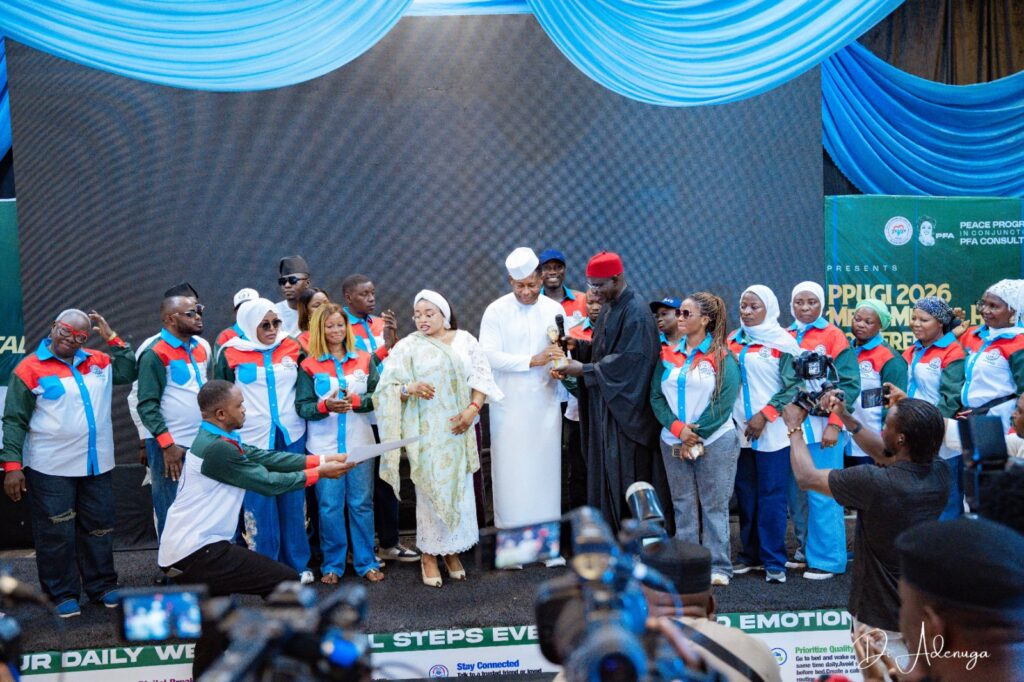
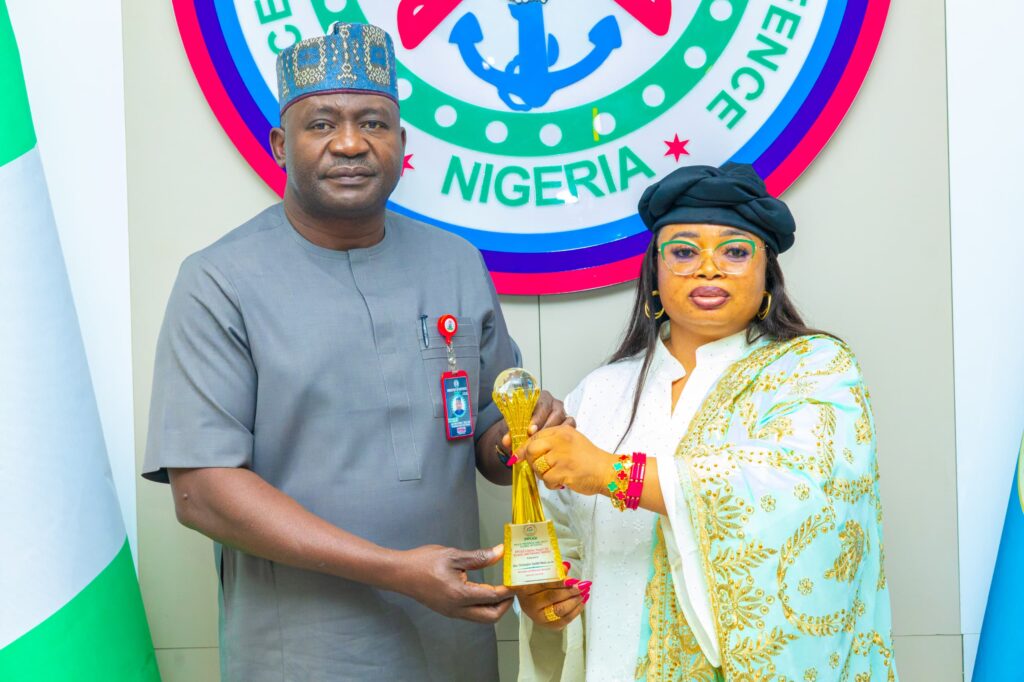
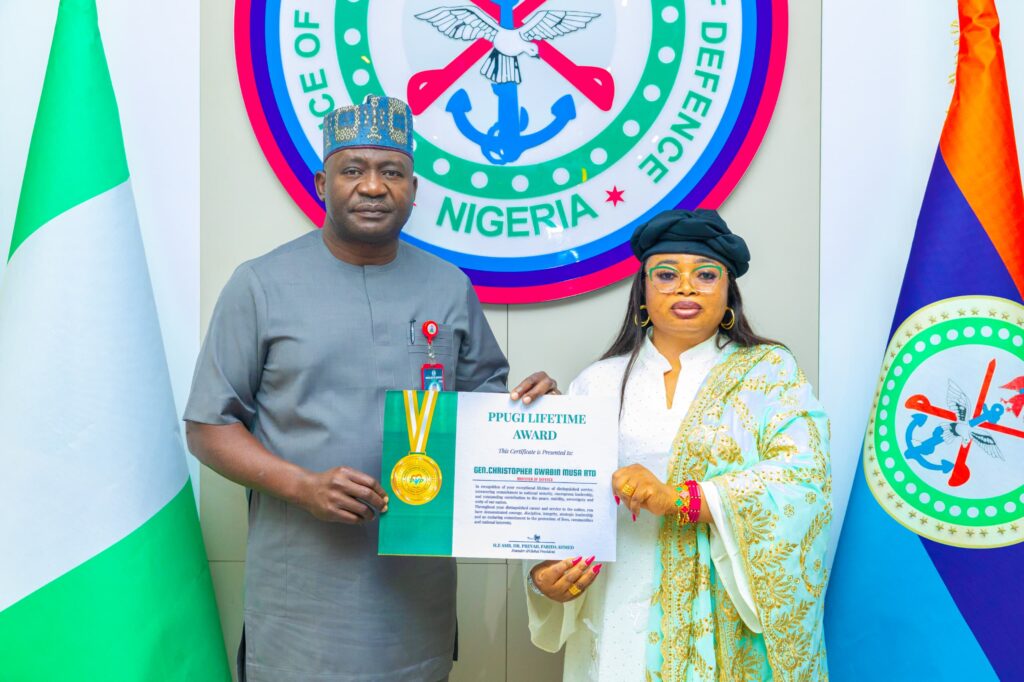
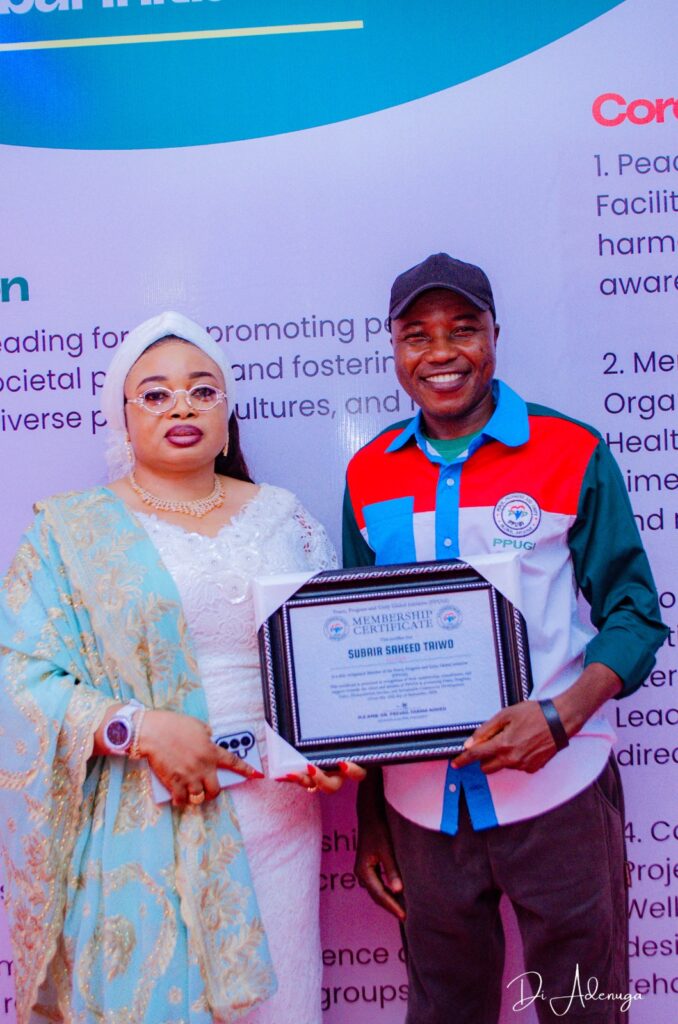
15. AWARDS CEREMONYThe Awards Ceremony was one of the major highlights of the event.The ceremony was designed to recognize individuals and organizations that have demonstrated outstanding commitment, achievement, leadership, service, humanitarian activity, professional excellence, community development, mental health advocacy, and other meaningful contributions.The recognition of these individuals and organizations served as an expression of appreciation for their contributions and an encouragement for continued service.
16. AWARD CATEGORIES: The awards presented during the ceremony included:
1Amb. Lt. General Tukur Yusuf Buratai (Rtd.) PPUGI DISTINGUISHED LIFETIME AWARD NATIONAL SERVICE EXCELLENT.
2Inspector General of Police, IGP Olatuniji Rilwan Disu PPUGI DISTINGUISHED LIFETIME AWARD NATIONAL SERVICE EXCELLENT.
3Dr. Ahmed Abubakar Audi, CommandantGeneral NSCDCPPUGI DISTINGUISHED LIFETIME AWARD NATIONAL SERVICE EXCELLENT.
4Engr. Tein T S Jack Rich (CON), The Founder Balema Oil Producing LimitedPPUGI DISTINGUISHED LIFETIME AWARD NATIONAL SERVICE EXCELLENT.
5Mr. Kayode Akintemi, MD & Editor-in-Chief News Central TV PPUGI DISTINGUISHED NATIONAL SERVICE EXCELLENT.
6. Samuel Obafemi GeorgePPUGI NATIONAL SERVICE EXCELLENT.
7HRM Alayeluwa Oba Adewale Abdul, Olofin Ajaye, Orugbo Iddo Olusi II, Lagos State.PPUGI Exemplary Leadership and Community Development Award.
8Prince Godswill Edward, Founder Prince 7Youth Development Initiative (P7DI)Community Impact Awards
9. Alh. Dr. Musa Muhammed (Maitakobi)Executive National President Road Transport Employers Association of Nigeria (RTEAN)PPUGI HUMANITARIAN IMPACT AWARD.
10. Alhaja Pharm Nurat Biola AjenifujaPPUGI HUMANITARIAN IMPACT AWARD.
11. Abdulrahaman I. Sade, Sadaukin Bauchi, Founder/President , Sadauki Foundation PPUGI HUMANITARIAN IMPACT AWARD.
Additional award recipients may be included in the final programme documentation.
17. SIGNIFICANCE OF THE AWARDSThe Awards Ceremony served several important purposes.First, it recognized individuals and organizations whose work has made a meaningful contribution to their respective areas of service.Second, it encouraged continued excellence and responsible leadership.Third, it provided an opportunity to celebrate positive examples of service and achievement.Finally, the awards reinforced the conference’s broader message that positive contributions to society deserve recognition and encouragement.
18. MEDIA AND PUBLICITYThe conference received publicity through various channels, including social media, photography, videography, online platforms, personal networks, organizational communication channels, and other media outlets.The publicity helped create awareness of the conference and extended its reach beyond the physical venue.Photographs, video recordings, media publications, speeches, programme materials, and other documentation should be preserved as part of the official event archive.
19. MAJOR OUTCOMESThe conference produced several important outcomes.
19.1 Increased AwarenessParticipants gained greater awareness of the importance of men’s mental and emotional wellbeing.
19.2 Open ConversationThe conference created a platform for more open and constructive discussion of issues affecting men.
19.3 Stakeholder CollaborationThe event brought together stakeholders from different sectors and created opportunities for collaboration.
19.4 Professional EngagementThe participation of experts provided valuable perspectives and encouraged participants to consider appropriate sources of professional support.
19.5 Community EngagementThe conference emphasized the role of families and communities in supporting men’s wellbeing.
19.6 Recognition of ExcellenceThe Awards Ceremony recognized individuals and organizations for outstanding contributions and service.
19.7 NetworkingParticipants established relationships that may support future programmes and initiatives.
20. KEY RECOMMENDATIONS FROM THE CONFERENCEBased on the discussions and engagements during the conference, the following recommendations are proposed:
1. Men’s mental health awareness programmes should be organized regularly.
2. Organizations should encourage healthy conversations about employee wellbeing.
3. Families and communities should create supportive environments for men to discuss personal challenges.
4. Mental health education should be strengthened across communities.
5. Appropriate professional mental health services should be promoted and made easier to access.
6. Public awareness campaigns should address stigma and misconceptions surrounding mental health.
7. Security institutions and other high-pressure occupations should give appropriate attention to personnel wellbeing.
8. Community organizations should establish partnerships with qualified mental health professionals.
9. Future conferences should include practical workshops and interactive support
10.Stakeholders should develop sustainable programmes rather than limiting mental health awareness to occasional events.
11.Research and data collection should be encouraged to improve understanding of men’s mental health needs.
12.Participants should continue sharing accurate mental health information within their communities and networks.
21. CHALLENGESThe organization of a conference of this magnitude naturally involved logistical and operational challenges.Potential areas requiring continued improvement include:
Early confirmation of speakers and dignitaries;
Time management;
Guest coordination;
Transportation and logistics;
Technical and audiovisual arrangements;
Publicity and media coordination;Funding and sponsorship;
Venue management; and
Coordination among multiple committees.Despite these challenges, the organizing committee successfully delivered the programme and achieved its principal objectives.
22. LESSONS LEARNEDThe conference provided valuable lessons for future programmes.The organizing committee recognized the importance of:
Starting preparations early;
Clearly assigning responsibilities;
Maintaining effective communication;
Building strong partnerships;
Establishing reliable sponsorship channels;
Strengthening media and publicity strategies;
Providing adequate security and protocol;
Maintaining accurate documentation; and
Establishing a structured post-conference follow-up process.These lessons will contribute to improved planning and execution of future programmes
23. FUTURE ACTION PLAN: Following the successful conclusion of the PPUGI Men’s Mental Health Conference and Awards Ceremony, the organizers propose the following actions:Short-Term
Compile and archive conference materials.Share appreciation letters with speakers, dignitaries, sponsors, partners, and security agencies.
Publish selected photographs and approved highlights.
Document the recommendations arising from the conference.
Maintain contact with participating stakeholders.Medium-Term
Develop additional men’s mental health awareness programmes.
Establish partnerships with qualified mental health professionals and relevant organizations.
Organize community outreach activities.
Develop educational materials for awareness campaigns.
Explore workplace and community-based mental health initiatives.Long-Term
Establish the conference as a recurring platform.
Build a sustainable network of organizations working on men’s wellbeing.
Develop strategic partnerships with government, professional, community, and humanitarian organizations.
Encourage research, education, advocacy, and awareness initiatives.
Continue recognizing individuals and organizations making meaningful contributions.
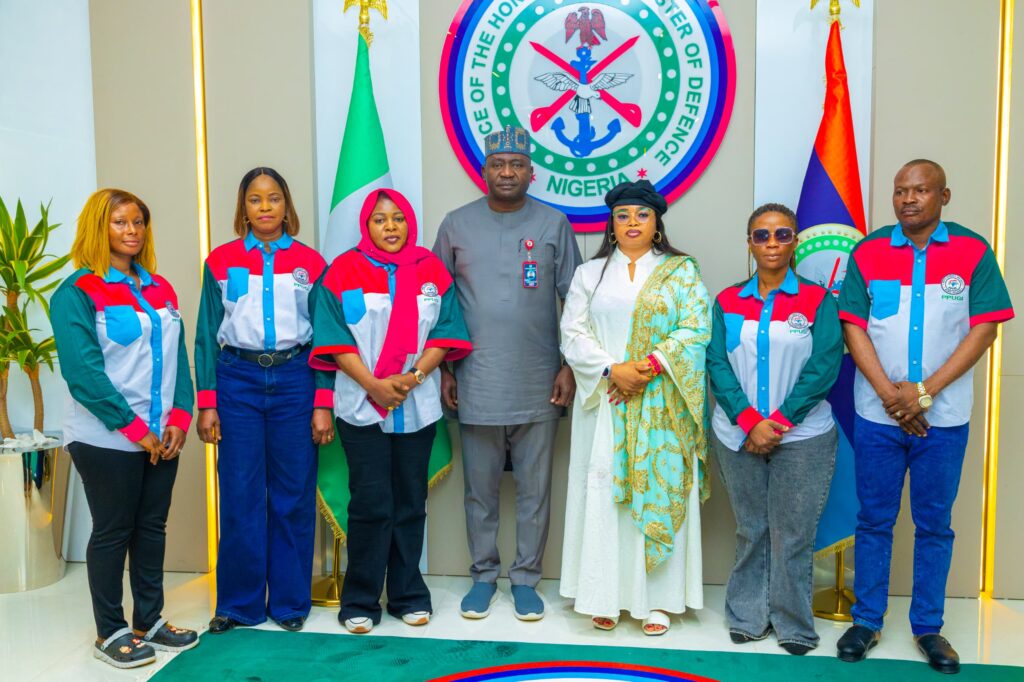
24. ACKNOWLEDGEMENTThe entire Board, Management, and Organizing Committee of Peace Progress and Unity Global Initiative (PPUGI) expresses its sincere appreciation to everyone who contributed to the success of the Men’s Mental Health Conference and Awards Ceremony 2026.Our appreciation goes to our distinguished dignitaries, keynote speaker, guest speakers, panelists, mental health professionals, security agencies, award recipients, sponsors, partners, media organizations, volunteers, members of the organizing committee, and all participants.We particularly appreciate the Nigerian Police Force, Nigeria Security and Civil DefenseCorps (NSCDC) and other security personnel for their support and professional assistance during the event.
We also appreciate every individual who contributed financially, materially, professionally, or morally.Your presence and support made the conference a meaningful and memorable occasion.
25. CONCLUSION: The successful conclusion of the PPUGI Men’s Mental Health Conference and Awards Ceremony represents an important step toward strengthening awareness and dialogue around men’s mental and emotional wellbeing.The conference demonstrated the value of creating spaces where men, professionals, families, organizations, security stakeholders, community leaders, and other stakeholders can engage in constructive conversations.The programme also demonstrated the importance of collaboration. Mental health and wellbeing are issues that require participation from individuals, families, professionals, communities, institutions, and policymakers.
The Awards Ceremony added a significant dimension to the programme by celebrating individuals and organizations whose contributions have made a positive difference.The organizers are therefore encouraged by the outcome of the conference and remain committed to building on its achievements.The event should be viewed not simply as a successful gathering but as a starting point for continued awareness, advocacy, education, partnership, and action.Going forward, the organizers intend to strengthen stakeholder relationships, promote responsible mental health conversations, support awareness initiatives, and explore opportunities for sustainable programmes that can positively contribute to men’s wellbeing and the wider community.
The message of the conference is clear: men’s mental wellbeing deserves attention, understanding, responsible conversation, and appropriate support.
THANK YOU.